Calorie Deficit for Weight Loss and Cell Health: Your Path to Youth, Vitality, and a Lean Physique
You've likely heard of the core principle of calorie deficit for weight loss: consuming fewer calories than you expend. But it turns out this simple formula holds more than just the secret to a slender figure; it underpins profound bodily processes that influence your youth, energy levels, and cellular health.
In this article, let's explore what a calorie deficit truly is and how to create one properly to lose weight without harming your body.
What Is a Calorie Deficit?
A calorie deficit occurs when you consume less energy from food than your body expends. To compensate for this deficit, your body is forced to tap into its own reserves, primarily fat stores. This fundamental process is why a calorie deficit is an essential prerequisite for weight loss.
However, it's crucial to understand that this doesn't imply starvation or extreme dieting. Overly severe calorie restriction can be detrimental. Instead, a moderate and sensible calorie deficit not only enables weight loss but also supports the health of your cells, which are vital for your appearance and energy levels.
Why Is a Calorie Deficit So Important for Cells?
Our body consists of trillions of cells, each performing distinct functions: some regenerate skin, others produce energy, and still others combat inflammation.
When you create a slight calorie deficit, you'll notice:
- Improved mitochondrial function – these are your cells’ “energy stations.” They begin to utilize fuel more efficiently, and their wear and tear slows down.
- The initiation of autophagy – a natural cellular "cleansing" process that removes damaged components (the quality of this process directly impacts the rate of aging).
- A reduced level of inflammatory processes throughout the body, positively affecting your immunity and overall well-being (you get sick less often, and if illness occurs, it runs a milder, quicker course).
- Skin cells receive a stimulus for renewal, leading to fresher-looking skin and a more toned body.
That's why a well-managed calorie restriction is directly linked to longevity and the preservation of youth.
I recommend reading: Anti-Aging Diet – what to include in your diet to preserve beauty and prolong youth.
How a Calorie Deficit Impacts Your Body
From a physiological perspective, weight loss is only possible when your body expends more energy than it consumes. No trendy diet, superfood, or magic pill will work without a calorie deficit.
It's not just about "losing weight"; it's about achieving a beautiful, lean, and energetic body.
Here's what you gain when you manage your calorie intake:
- Fat Burning. Fat cells shrink in volume, making your figure more slender, and this process occurs uniformly.
- Muscle Preservation (provided you consume an adequate amount of protein and engage in moderate physical activity).
- Lightness and Mobility. Weight reduction isn't solely about aesthetics. It also supports your joints and heart—by reducing weight, you lessen the strain on them, prolonging your longevity and activity.
- Stable Energy Levels. Unlike strict diets and harsh restrictions, a gentle calorie deficit allows your body to gradually adapt, ensuring your internal "battery" consistently holds its charge.
How to Properly Create a Calorie Deficit?
Let's move on to practical application. Overly strict restrictions can lead to setbacks, hormonal issues, and a slowed metabolism.
However, a mindful, gentle approach yields long-term results.
- Determine your calorie needs. You can use online calculators for this (they consider your height, weight, age, and activity level).
Tip: Try the chatbot I created specifically for you – download via the link and receive daily nutrition recommendations based on your needs, food preferences, and even your hormonal cycle.
- Reduce your diet by 10–20% of your normal intake. For example, if your maintenance intake is 2000 calories, a comfortable deficit would be around 1600-1800 calories.
Tip: Don't make drastic changes! If you severely cut calories, it's highly likely to end in another relapse.
- Maintain a balance of macros (proteins – fats – carbohydrates). Proteins are building blocks for cells and muscles, fats are necessary for maintaining healthy hormonal balance and skin, and carbohydrates are an energy source.
- Add movement. Physical activity helps you burn more energy and speeds up your metabolism. Even walks and light workouts contribute to your leanness.
- Pay attention to nutrition quality. Healthy foods rich in vitamins and minerals will support cell health, while empty calories from sweets and fast food won't offer any benefits. The cooking method is also important—minimize thermal processing and prioritize boiling, stewing, and baking over frying.
The Healthy Plate: A Way to Balance Your Menu and Reduce Calorie Intake
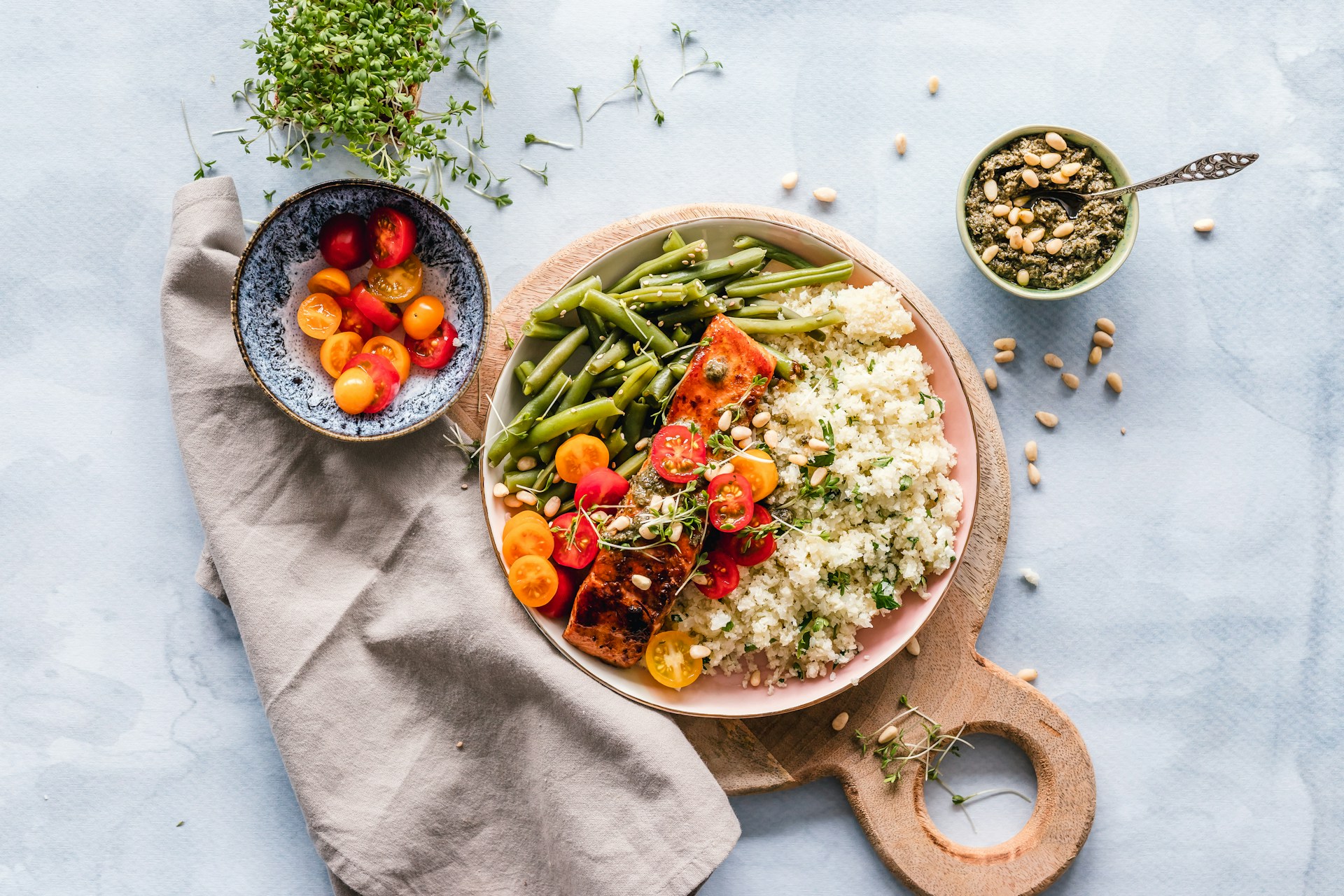
One of the simplest and most effective ways to create a calorie deficit without strict restrictions is the "healthy plate" principle.
Here's what it looks like:
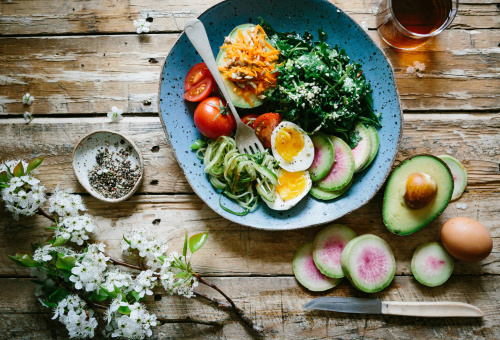
- Half of your plate should consist of vegetables and greens – a source of fiber, vitamins, and minerals. They are filling and contain almost no excess calories.
- A quarter of your plate should be protein foods: fish, meat, eggs, legumes, cottage cheese. Protein is essential for preserving muscle and skin elasticity.
- Another quarter of your plate should be complex carbohydrates: grains, whole-grain bread, potatoes, quinoa. They provide energy and a feeling of fullness.
- Healthy fats: add a few nuts, seeds, olive oil, or avocado.
This balance automatically helps reduce calorie intake due to the volume of vegetables and the proper distribution of macronutrients. Most importantly, you won't feel hungry or deprive yourself of the nutrients vital for cellular youth and energy.
I've prepared a separate article on the Healthy Plate method – check it out via the link to learn important details.
Why Are Drastic Calorie Restriction and Strict Diets Dangerous?
You're likely familiar with "miracle diets" that promise a loss of 5–7 kg (11–15 lbs) per week. The problem is that such methods harm the body and rarely yield long-term results.
What happens with drastic calorie cuts:
- Metabolism slows down – your body tries to conserve energy and uses fewer calories even at rest.
- Muscles begin to break down – your body taps into protein from muscle tissues, not just fat reserves.
- Hormonal balance suffers – your cycle may become irregular, estrogen levels decrease, and mood deteriorates.
- The "weight rebound" effect appears – after the diet, weight returns, sometimes even with an increase.
- Skin and hair quality deteriorates – lacking proteins, fats, and vitamins, cells regenerate poorly, and metabolic processes are disrupted.
Therefore, mono-diets and rigid restrictions are definitely not allies for health and slimness, but rather a trap that's easy to fall into if you're looking for quick weight loss methods. It's better to choose a moderate deficit and work towards your goal gradually, preserving your health and well-being.
Psychological Factors of Weight Loss
Nutrition and stable weight are not just about calories and metabolism; very often, they are also about psychology. It's often our mind that prevents us from building a harmonious relationship with food.
Check yourself: 10 signs of a healthy relationship with food.
Here are some important points:
- Emotional Eating. Stress, boredom, or fatigue can push us toward sweet and high-calorie foods. It's crucial here to learn to replace food with other sources of pleasure and support.
- Excessive Control. Overly strict prohibitions lead to failures. When you forbid yourself favorite foods, your brain only craves them more. It's better to allow yourself small portions of treats and enjoy them without guilt.
- Unrealistic Expectations. Rapid weight loss is a myth. You might drop a few kilograms in a week, but they'll return just as quickly. Real results become noticeable after months, not days. Here, it's essential to develop patience and trust in the process.
- Supportive Environment. It's easier to lose weight when you have people around who understand and share your journey. If not, you can find online communities or work with a coach.
Tip: Try the chatbot that will gently guide you on your weight loss journey and help you build a healthy lifestyle. Download the bot via the link and remember to activate the "My Nutrition" option for personalized recommendations.
- Self-Worth. When you love and accept yourself, weight loss stops being a punishment. It becomes an act of caring for your body and an investment in your healthy and active future.
Calorie Deficit and Youth
Calorie restriction has long been recognized by official medicine as a factor in longevity. Research shows that a moderate deficit helps slow down cellular aging.
Visibly, this manifests as:
- faster epidermal regeneration;
- slowing down of collagen breakdown;
- improved microcirculation;
- reduced risk of inflammation and rashes.
Thus, by creating the right deficit, you work not only on achieving slimness but also on preserving your skin's youth.
Calorie Deficit and Energy Levels
It might seem that eating less means having less energy. But the opposite is true: when your body cleanses itself of excess fat reserves, cell function improves, and you feel more energetic.
It's just important that the deficit is reasonable. Then:
- blood sugar levels stabilize, eliminating sluggishness and drowsiness;
- brain function becomes clearer, as it thrives on regular yet moderate nutrition;
- you'll experience ease in movement because your body isn't overloaded, and your sports activities transform into enjoyment, not punishment.
Summary: The Key to Slimness, Youth, and Energy
A calorie deficit isn't about depriving yourself of all things tasty and enjoyable. It's a smart tool that helps your body activate its internal mechanisms for renewal and healing.
When you eat mindfully, creating a gentle calorie deficit, using the "healthy plate" principle, avoiding rigid diets, nurturing your psychology, and staying active, results won't keep you waiting. Your figure will become leaner, skin fresher, and mood better.
Turn your plate into your ally, and always be healthy and energetic.
You may also be interested in: